
In today’s world, healthcare and environmental responsibility often seem like two separate spheres. However, Sheth Jeebun has consistently demonstrated that these two domains are deeply interconnected.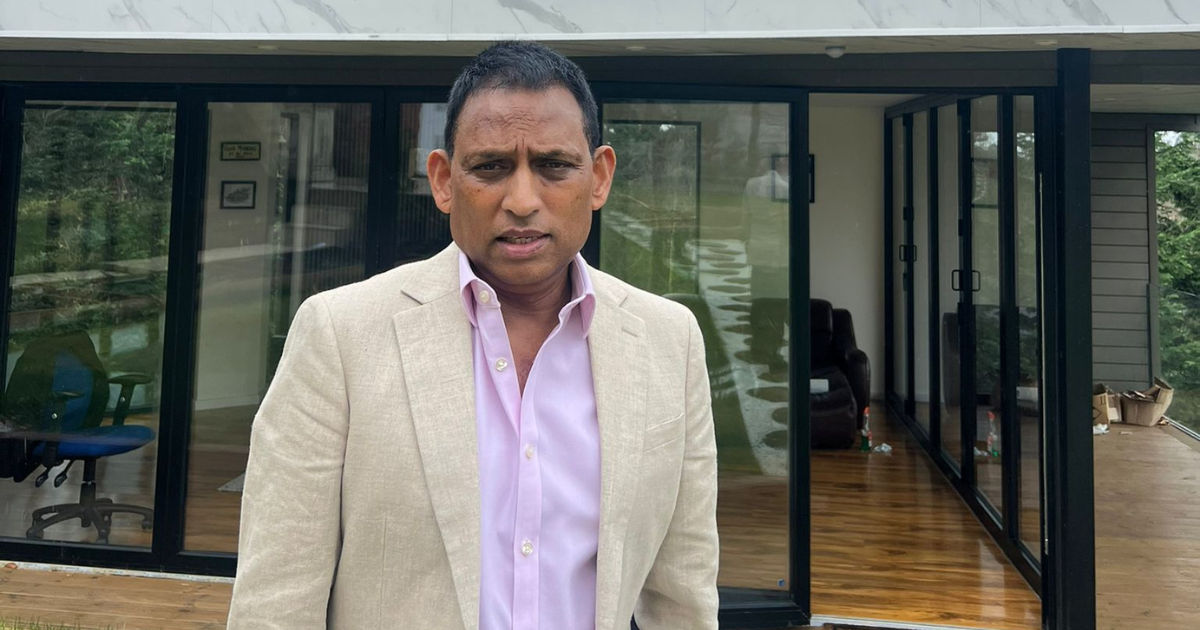
From the way care homes operate to the policies guiding patient services, environmental considerations are now at the forefront of ethical and effective healthcare.
This article explores in depth how Sheth Jeebun integrates environmental awareness into care practices, shaping a sustainable future for healthcare.
The Link Between Care and Environment
Healthcare facilities, including care homes, hospitals, and clinics, have traditionally focused on patient well-being. However, the environmental impact of these facilities cannot be ignored. Waste generation, energy consumption, and resource usage all play a role in the overall health of communities. Sheth Jeebun recognized early that promoting patient health is not just about treatment but also about fostering a clean, sustainable, and safe environment.
Caring for the environment and caring for patients are interconnected because environmental health directly influences human health. Polluted air, contaminated water, and excessive waste can exacerbate illnesses and create additional health risks. Through his approach, Sheth Jeebun emphasizes that healthcare providers must adopt sustainable practices to protect both patients and the planet.
Sustainable Practices in Care Homes
Sheth Jeebun has pioneered sustainable practices within care home management. He believes that integrating eco-friendly strategies into everyday operations benefits residents, staff, and the wider community. Energy-efficient lighting, water-saving initiatives, and waste reduction programs are key aspects of his vision. By focusing on these practical measures, care homes reduce their environmental footprint while maintaining high standards of patient care.
Recycling and proper disposal of medical waste is a critical part of this strategy. Sheth Jeebun ensures that care homes adopt strict protocols for segregating and handling waste. This not only protects the environment but also safeguards residents from exposure to potentially harmful materials. Additionally, eco-conscious choices in procurement, such as using biodegradable or recyclable products, reflect a commitment to sustainability that resonates with both staff and residents.
Promoting Green Healthcare Policies
Policy-making plays a vital role in shaping sustainable healthcare. Sheth Jeebun advocates for policies that encourage the use of renewable energy sources, minimize single-use plastics, and promote energy-efficient technologies. These policies are not just environmental gestures; they are practical solutions that reduce costs and improve operational efficiency.
By embedding environmental responsibility into organizational policies, Sheth Jeebun sets an example for other healthcare leaders. Staff are trained to understand the importance of sustainability, ensuring that green practices are consistently followed. This cultural shift within healthcare organizations demonstrates that environmental care is inseparable from patient care.
Eco-Friendly Infrastructure and Design
The design of healthcare facilities significantly impacts both the environment and patient well-being. Sheth Jeebun has championed the construction and renovation of care homes with eco-friendly principles in mind. This includes using sustainable building materials, incorporating natural light to reduce electricity usage, and designing spaces that promote air circulation and indoor environmental quality.
Green spaces, gardens, and outdoor areas are also integral to Sheth Jeebun’s approach. These spaces provide residents with areas to relax, exercise, and connect with nature, which has been shown to improve mental health. Simultaneously, they serve ecological purposes, such as supporting biodiversity and enhancing local air quality.
Education and Staff Engagement
Sustainable healthcare requires active participation from all staff members. Sheth Jeebun emphasizes the importance of educating employees about the environmental impact of their daily activities. Training programs focus on reducing waste, conserving energy, and making informed decisions that benefit both residents and the planet.
Staff engagement goes beyond education. Sheth Jeebun encourages healthcare workers to contribute ideas for green initiatives, creating a sense of shared responsibility. When employees understand that their actions directly influence both patient health and environmental outcomes, they are more motivated to embrace sustainable practices.
Integrating Technology for Sustainability
Modern technology offers solutions for both patient care and environmental management. Sheth Jeebun advocates for the use of digital records to reduce paper waste, telemedicine to minimize travel-related emissions, and energy management systems to optimize electricity usage. These technological integrations make healthcare facilities more efficient while supporting sustainability goals.
Telehealth, in particular, exemplifies how patient care and environmental responsibility can align. By reducing the need for in-person visits, telemedicine decreases transportation-related carbon emissions and saves time for patients and caregivers alike. Sheth Jeebun envisions a future where technology bridges the gap between high-quality care and environmental stewardship.
Community Involvement and Awareness
The impact of healthcare extends beyond the walls of care homes. Sheth Jeebun believes in involving the local community in environmental initiatives. Educational programs, workshops, and public campaigns raise awareness about sustainable living and health. Residents, families, and staff learn how small lifestyle changes, such as reducing waste or conserving water, can collectively make a significant impact.
Community gardens, eco-friendly events, and collaborative projects are also part of Sheth Jeebun’s strategy. These initiatives foster a sense of connection, responsibility, and shared purpose. By linking care with the environment in a community context, healthcare becomes a force for positive change beyond individual patient outcomes.
Addressing Challenges in Sustainable Healthcare
Integrating environmental responsibility into care practices is not without challenges. Budget constraints, resistance to change, and logistical complexities can hinder sustainability efforts. However, Sheth Jeebun demonstrates that commitment and strategic planning can overcome these obstacles. By prioritizing initiatives that offer long-term benefits and align with operational goals, care facilities can achieve both environmental and patient care excellence.
Another challenge is balancing sustainability with medical requirements. Some medical procedures and materials are inherently resource-intensive. Sheth Jeebun addresses this by advocating for careful evaluation, seeking eco-friendly alternatives wherever possible, and ensuring that environmental considerations do not compromise patient safety.
Case Studies of Green Care Initiatives
Several care homes under Sheth Jeebun’s guidance have successfully implemented green practices. For instance, one facility reduced energy consumption by installing solar panels and motion-sensor lighting. Another care home implemented a comprehensive recycling and composting program, significantly reducing waste sent to landfills.
These examples demonstrate that practical, measurable actions can have a profound effect on sustainability. Sheth Jeebun emphasizes that even incremental changes, when applied consistently, contribute to a larger environmental impact while enhancing the quality of care for residents.
The Role of Leadership in Sustainability
Leadership is crucial in aligning healthcare operations with environmental goals. Sheth Jeebun exemplifies how leaders can drive cultural and operational change by integrating sustainability into the organizational vision. Leaders set the tone for priorities, resource allocation, and staff engagement, ensuring that environmental responsibility becomes a core value.
By modeling sustainable practices, healthcare leaders encourage staff and partners to follow suit. Sheth Jeebun’s approach highlights that sustainability in healthcare is not just a managerial task but a leadership responsibility that requires vision, communication, and consistent action.
Future Directions in Sustainable Healthcare
The intersection of care and environment is continually evolving. Sheth Jeebun envisions a future where sustainable practices are standard across all healthcare settings. Innovations such as zero-waste hospitals, fully renewable energy-powered facilities, and AI-driven resource management could redefine the way care is delivered.
Moreover, public awareness and policy advocacy will continue to play critical roles. Sheth Jeebun advocates for national and global healthcare policies that prioritize environmental responsibility, ensuring that sustainability becomes an integral part of healthcare standards and regulations.
Conclusion
The connection between care and environment is undeniable, and Sheth Jeebun serves as a model for integrating these principles into practical healthcare strategies. From sustainable infrastructure and eco-friendly policies to community involvement and staff engagement, his approach demonstrates that caring for patients and caring for the planet are mutually reinforcing goals.
By prioritizing environmental responsibility, healthcare facilities not only improve patient outcomes but also contribute to a healthier, more sustainable world. Sheth Jeebun shows that ethical, forward-thinking healthcare is about seeing the bigger picture—where patient well-being, environmental stewardship, and community engagement all intersect.
In embracing this vision, healthcare can become a powerful force for both human and environmental health, inspiring future generations to approach care with responsibility, compassion, and sustainability in mind. Through practical measures, leadership, and innovation, Sheth Jeebun illustrates that connecting care with the environment is not only possible but essential for the future of healthcare.

+ There are no comments
Add yours